Small Bathroom Ideas: Space-Saving Design
Small bathroom ideas to maximize space, light, and style with expert, EEAT-driven tips.
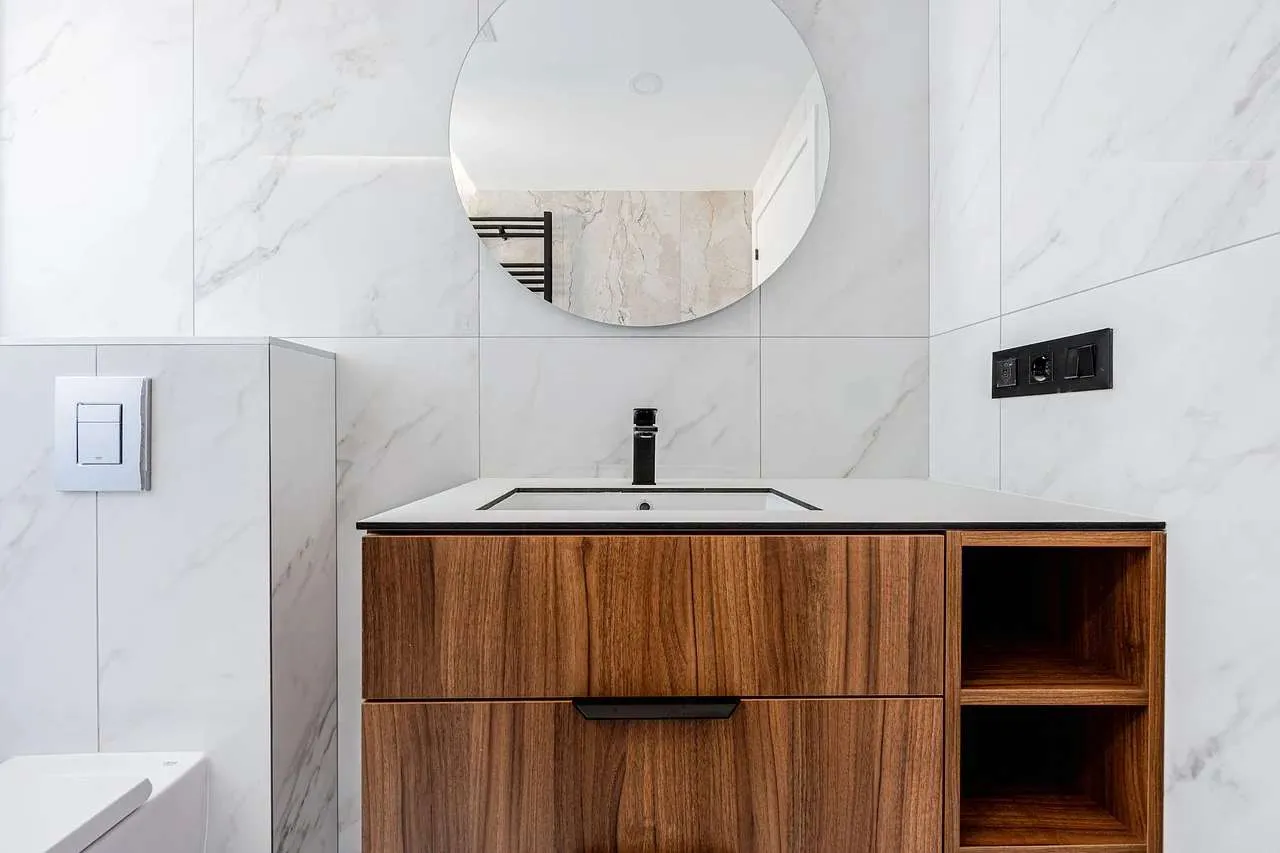
Small bathrooms pose a design challenge, but they also offer a chance to innovate. This article provides practical small bathroom ideas grounded in layout, storage, lighting, and materials to maximize every inch while preserving style. Drawing on input from experienced designers and renovation professionals, the guidance here reflects best practices for homeowners and renters alike, aligning with EEAT principles to build trust and authority.
Smart layouts for small bathrooms
Begin with a plan that prioritizes fluid movement and open sightlines. A linear or single-wall layout often works best in tight spaces, while wall-mounted fixtures create the illusion of more floor area. Measure door swings, clearance around the toilet, and the width of the doorway to avoid awkward obstructions. Consider placing the vanity against the longest wall and using a compact, wall-hung toilet to free floor space. If possible, choose a shower enclosure with clear glass rather than a dark, heavy shower curtain to keep the room feeling airy.
- Opt for wall-mounted sinks or corner vanities to free floor space.
- Keep to one dominant color family to reduce visual clutter.
- Maintain at least 800 mm of clearance in front of the toilet and sink.
- Use frameless glass for showers to extend sightlines.
Storage-first design: vertical and recessed solutions
In small bathrooms, vertical storage is a game changer. Recessed niches in the shower wall, a tall slim cabinet beside the vanity, and a medicine cabinet mounted above the sink dramatically increase storage without stealing valuable floor space. Floating shelves or a narrow linen cabinet can store towels and toiletries while keeping the floor open. A mirrored medicine cabinet also enhances light and provides a convenient place for daily routines.
Finishes and color palettes
Light colors reflect more light and help the space feel larger. Consider pale tones such as airy whites, soft beiges, or cool grays complemented by metallic hardware. For added depth, incorporate a single accent color through towels, artwork, or a tile border. Reflective surfaces, including glossy wall tiles and large-format porcelain slabs, reduce perceived room size and make cleaning easier. If you must introduce pattern, keep it restrained (subway tiles, small mosaics) to avoid visual heaviness.
Fixtures that maximize space
Choose compact, efficient fixtures designed for small baths. A round or oval undermount sink with a shallow vanity minimizes depth while still providing storage. A wall-hung toilet visually expands the floor plan, especially when paired with a concealed tank. In showers, a frameless glass panel with a pivot door creates an uninterrupted view, making the space feel bigger than its actual dimensions. A compact corner tub can be replaced with a shower to gain a few extra inches if you primarily need a functional enclosure.
Lighting and mirrors
Layered lighting is essential in small spaces. Combine ambient, task, and accent lighting to eliminate shadows and brighten corners. Recessed ceiling lights paired with an LED vanity light create even illumination. Large mirrors or mirrored walls bounce light around the room; consider a mirror that spans the width of the vanity for maximum effect. If possible, place lighting on either side of the mirror to reduce glare and create flattering reflections.
Budget upgrades and DIY ideas
Effective small bathroom ideas don’t have to be expensive. A fresh coat of light paint, updated hardware, and new chrome or brushed-nickel fixtures can transform the space. Peel-and-stick tiles or a glass tile backsplash are affordable, durable options for updating a shallow niche or splash zone. Replacing a bulky vanity with a slim, wall-mounted unit or installing a pocket or barn-style door can yield noticeable gains in perceived space and accessibility.
Comparison table: design options for tiny baths
| Option | Pros | Cons | Best For |
|---|---|---|---|
| Floating vanity | Gives airiness; easy cleaning under; hides plumbing | Requires sturdy mounting; may limit storage | Small powder baths with visible plumbing |
| Wall-hung toilet | Visual space, easier cleaning; can adjust height | Higher installation cost; needs solid wall support | Tight layouts where floor space matters |
| Walk-in shower with glass | Expands feel, reduces enclosure clutter | Water containment must be carefully planned | Showers in lieu of bathtubs in small baths |
| Pocket or sliding door | No swing clearance; saves space | Higher installation cost; limited hardware options | Bathrooms with tight entryways |
| Recessed shelving and niches | Maximizes vertical storage; clean look | Requires precise framing; less flexibility post-install | Showers and baths needing extra storage |
In practice, the best approach often combines several ideas: a floating vanity with a wall-hung toilet, a walk-in shower with clear glass, tall recessed storage, and a large mirror that reflects natural or artificial light. The exact mix depends on your space, budget, and daily routines. Always verify structural support for wall-mounted fixtures and consult a licensed professional if you anticipate any electrical or plumbing changes.
Summary: Small bathroom ideas succeed when layout, storage, lighting, and finishes are coordinated to maximize space, light, and usability. By prioritizing vertical storage, opting for glass and light palettes, and choosing compact, efficient fixtures, you can transform a cramped bath into a bright, functional retreat that feels larger than it is.